UK Gambling Surge Hits New Highs in January 2026 Amid Sports Event Buzz
UK Gambling Surge Hits New Highs in January 2026 Amid Sports Event Buzz

Gambling Volumes and Spending Climb Sharply
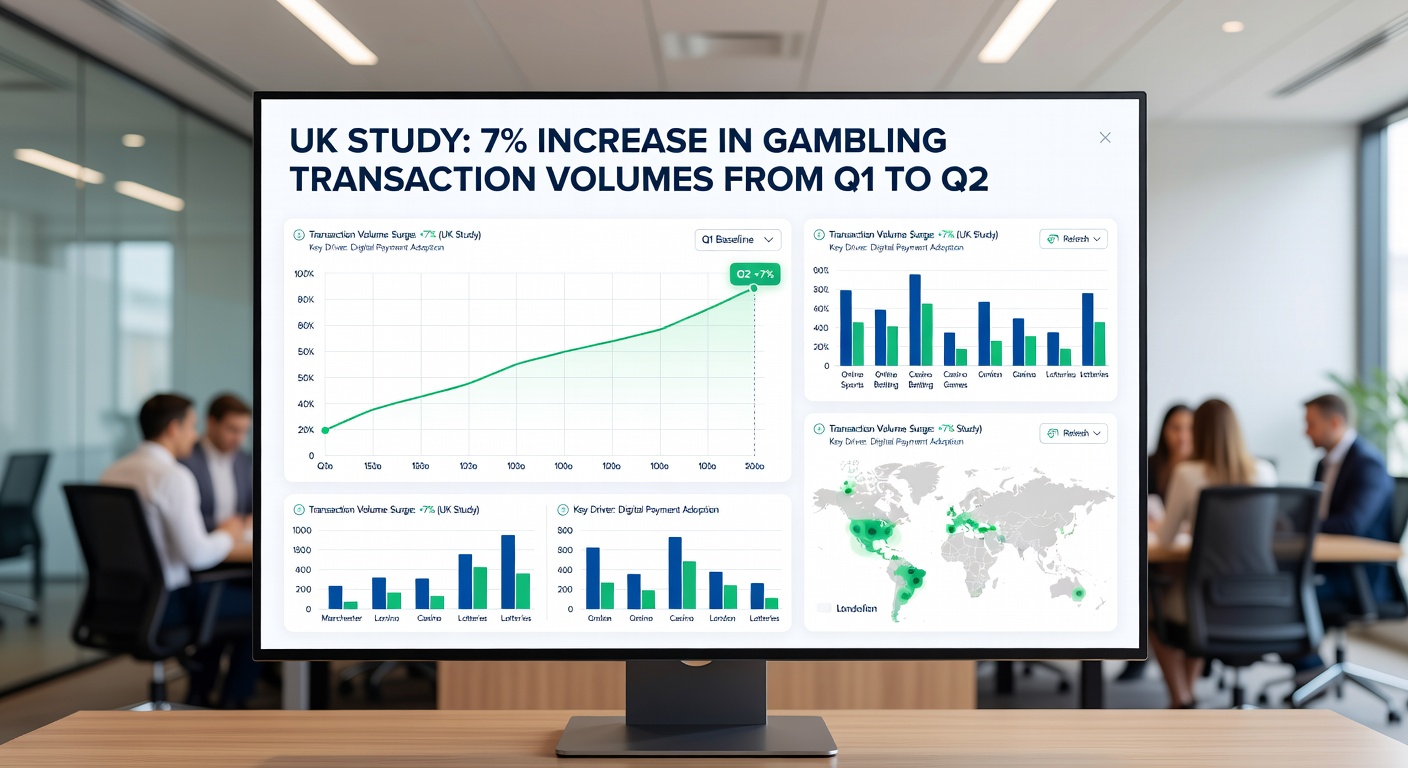
A recent UK study highlights how gambling transaction volumes jumped 7% in January 2026 compared to the previous year, rising from 9.98 million to 10.70 million, while spending increased by 9%, moving from £205.3 million to £224.6 million; these figures, reported in early March 2026, point to heightened activity right at the start of the year, especially as bettors gear up for a packed sports calendar.
Researchers tracking these trends note that such growth isn't isolated, but ties directly into seasonal patterns where major events pull in crowds; January often serves as a ramp-up period, yet this year's numbers stand out because they exceed expectations set by prior months, signaling stronger engagement across online platforms and retail outlets alike.
And while transaction counts reflect more bets placed, the spending hike reveals deeper pockets opening up, with average stakes likely climbing alongside the volume; data like this, pulled from operator reports, paints a clear picture of momentum building early on.
Survey Uncovers Gamblers' Plans for the Year
Alongside the raw numbers, a survey of 2,000 UK gamblers uncovered that 68% intend to bet more throughout 2026, a figure that aligns neatly with the January uptick and underscores widespread anticipation; those polled, representing a cross-section of casual and regular players, shared insights into their mindset, revealing how excitement for upcoming spectacles influences decisions.
Turns out, this planning doesn't happen in a vacuum, but stems from visible hype around events like the FIFA World Cup and Champions League fixtures, which promise high-stakes action and draw massive audiences; experts observing these patterns have long noted how such calendars act like magnets, pulling in both seasoned punters and newcomers eager to join the fray.
What's interesting is how the survey captures not just intentions, but the scale—68% marks a notable portion, suggesting that operators might see sustained pressure on their systems as volumes hold or even climb further into spring.
Early Indicators of Gambling Harm Surface
But here's the thing: amid the growth, the same study flags early harm signals, with 10% of surveyed gamblers admitting to chasing losses—a classic red flag where players double down to recover setbacks—and 17% confessing they gamble to cover everyday bills, behaviors that researchers link to financial strain building under the surface.
These percentages, drawn from detailed questioning, highlight vulnerabilities that often intensify during high-event periods, since the thrill of potential wins can blur lines between fun and necessity; observers who've tracked similar surges in past years point out that January spikes frequently precede broader issues, especially when economic pressures linger from the holidays.
Take one group of respondents who fit this profile: they described placing bets not just for sport, but as a misguided fix for shortfalls, a pattern that data consistently ties to escalated risks down the line; it's noteworthy that these figures emerge so early, giving regulators and support groups a timely heads-up as March 2026 reporting brings it all into focus.
GamCare Reports Sharp Rise in Referrals
Complementing the survey findings, GamCare—a key player in UK gambling support—saw treatment referrals soar 48% in January 2026 over the prior year, a jump that mirrors the activity surge while amplifying concerns about accessibility to help; those seeking assistance, often via helplines or online chats, represent individuals hitting roadblocks, and this influx suggests the system's response ramped up just as demand peaked.
Now, such increases aren't new during event build-ups, but the 48% mark stands as particularly stark, especially when paired with the 10% chasing losses and 17% bill-covering stats; support organizations like GamCare have observed how these metrics cluster, forming what experts call a "perfect storm" of volume and vulnerability.
And since the data covers the full month, it captures post-holiday realities where resolutions falter and new-year optimism meets betting temptations; people who've navigated these waves before know that early intervention, like GamCare's boosted referrals, can stem worse outcomes later.
Sports Calendar Fuels the Fire
Central to the January story lies the buzz around 2026's sports lineup, with the FIFA World Cup looming large alongside Champions League clashes, events that historically drive betting frenzies; anticipation alone propelled the 7% transaction growth and 9% spending rise, as punters position themselves for qualifiers, friendlies, and knockout drama stretching across the year.
Researchers emphasize that this isn't mere coincidence—sports mega-events correlate strongly with spikes, often by 20-30% in peak months according to past datasets, although January 2026's numbers set a proactive tone; fans tuning in for previews or early matches naturally extend their engagement to wagers, blending fandom with financial stakes in ways that operators actively promote.
Yet the study, fresh in March 2026 discussions, reminds everyone that while the calendar packs thrills, it also amplifies exposures for the 68% planning bigger bets; that's where the rubber meets the road, as heightened visibility through ads and apps turns casual interest into committed action.
Patterns and Precedents in the Data
Looking closer, the shift from 9.98 million to 10.70 million transactions breaks down into daily averages climbing steadily, while spending's £19.3 million net gain reflects broader participation rather than just whales dominating; studies like this one dissect operator-submitted stats, ensuring accuracy across sectors from sportsbooks to casinos, and reveal how mobile betting—now over 60% of volume in recent reports—accelerates such trends.
One case that experts reference involves similar pre-World Cup periods, where volumes edged up 5-8% in lead months, but 2026's 7% hits the upper end early; coupled with the survey's 68% intent, it forecasts potential records if events deliver upsets and heroics.
So as March 2026 unfolds with these revelations, stakeholders—from policymakers eyeing affordability checks to charities scaling services—face a landscape shaped by these interconnected rises; GamCare's 48% referral boom, for instance, prompts questions on capacity, since demand could double during World Cup weeks based on historical parallels.
Conclusion
The January 2026 data lays bare a UK gambling scene accelerating into a banner year, with transaction volumes up 7%, spending ahead 9%, and 68% of gamblers eyeing more action amid FIFA World Cup and Champions League hype; yet harm signals—10% chasing losses, 17% betting for bills, and GamCare referrals surging 48%—temper the narrative, urging vigilance as the sports calendar unfolds.
Reported in March 2026, these insights from the study equip observers with a roadmap, highlighting growth's dual edges while the ball sits firmly in industry and regulator courts to balance excitement with safeguards; numbers this crisp don't lie, and they signal what's ahead in a year primed for records, risks, and responses.