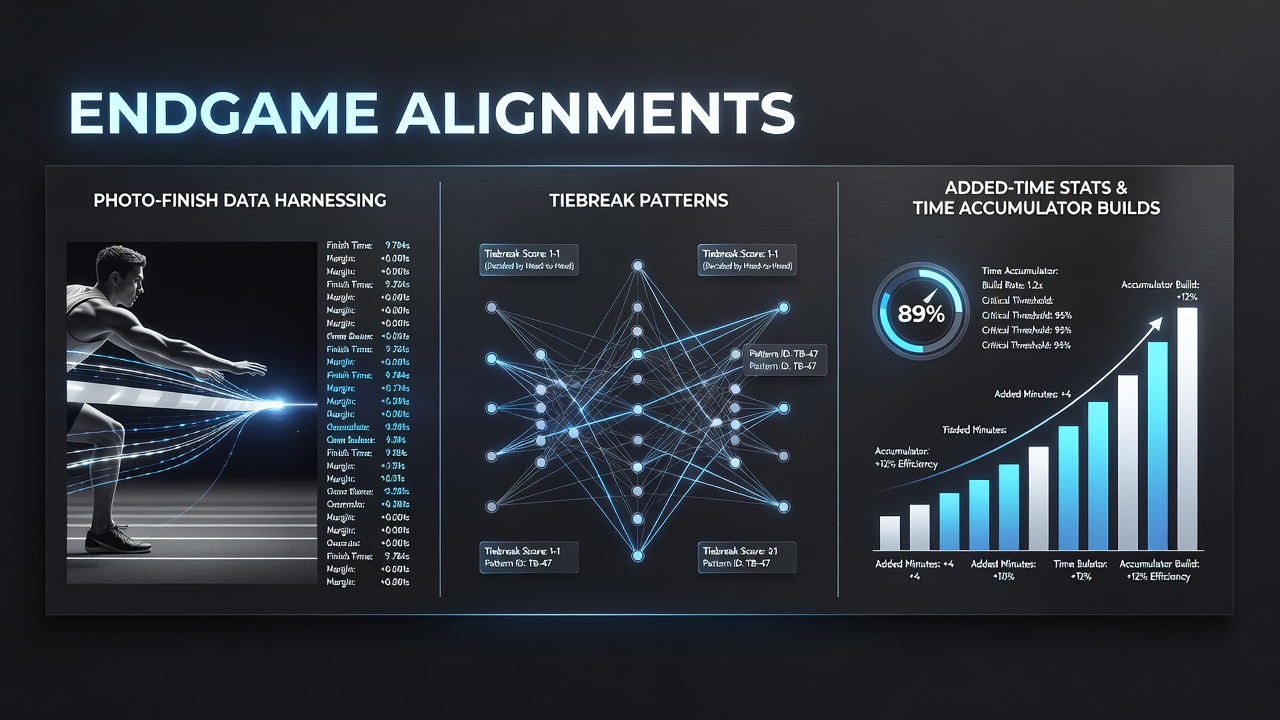
Strategic Finish Lines: Photo-Finish Records, Tennis Tiebreak Trends, and Football Added-Time Metrics for Accumulator Timing
Endgame data from horse racing, tennis, and football provides measurable patterns that some bettors examine when structuring accumulator selections, particularly around timing of late-stage outcomes. Photo-finish records, tiebreak statistics, and added-time goal distributions offer quantifiable inputs for those constructing multi-leg bets across these sports. Observers note that these datasets become especially relevant during periods of overlapping fixtures, such as the concentrated schedules observed in June 2026 when major racing festivals, tennis grand slams, and international football windows coincide.
Photo-Finish Data in Horse Racing Contexts
Horse racing authorities maintain detailed photo-finish archives that record margins at the wire, often down to millimeters, across thousands of races annually. Researchers who analyze these records have identified correlations between track conditions, distance categories, and the frequency of dead-heat or narrow-win results. Data from the International Federation of Horseracing Authorities shows that certain turf surfaces produce higher percentages of photo-finish decisions compared with all-weather tracks, while longer distances tend to cluster outcomes more tightly due to fatigue effects on the field. Those who study accumulator timing sometimes cross-reference these historical margins against current race profiles to assess the likelihood of close finishes that could influence each-way or outright selections within a larger bet slip.
Tiebreak Patterns Across Tennis Surfaces
Tennis governing bodies publish tiebreak statistics by surface, round, and player ranking that reveal measurable trends in match-deciding sequences. Studies from academic sports analytics groups indicate that tiebreak frequency rises in later rounds of tournaments, particularly on grass and hard courts where serve dominance can extend sets. Figures from the Association of Tennis Professionals demonstrate that certain players maintain higher tiebreak conversion rates under specific fatigue conditions, such as after multiple long matches in a single week. Accumulator builders who monitor these patterns sometimes align tennis legs with other sports by selecting matches where historical tiebreak data suggests elevated probabilities of extended concluding games, thereby influencing the timing window for bet placement ahead of live market shifts.
Added-Time Statistics in Football Matches
Football leagues and federations compile added-time data that quantifies minutes played beyond regulation in each half, along with goal distributions within those periods. European football confederation reports indicate that injury-time goals occur at consistent rates across domestic leagues, with higher incidences recorded in matches featuring multiple substitutions or disciplinary actions. Analysts who track these metrics have noted seasonal variations, including spikes during congested fixture periods such as those projected for June 2026 when international tournaments overlap with club schedules. Bettors constructing accumulators sometimes incorporate added-time goal probabilities when sequencing football selections after horse racing or tennis legs, adjusting stake timing to account for the extended windows in which decisive events can unfold.
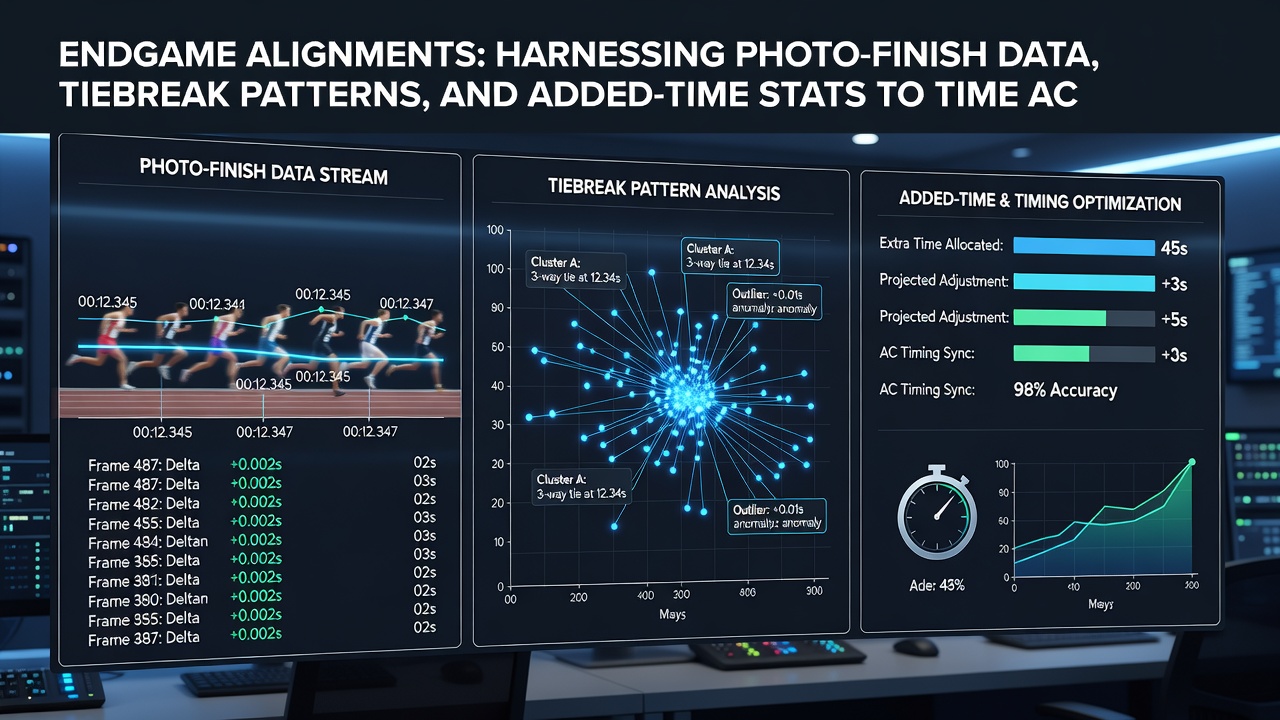
Aligning Datasets for Multi-Sport Accumulators
Cross-sport data integration allows for examination of how late-stage events in one discipline may coincide with outcomes in others during shared betting windows. Records maintained by racing authorities, tennis federations, and football analytics platforms show that narrow-margin finishes appear in clustered patterns when events run concurrently, particularly in summer months when calendars align. Those examining accumulator structures sometimes reference combined datasets to identify periods where multiple sports exhibit elevated probabilities of extended conclusions, such as photo finishes in evening racing cards overlapping with tiebreak-heavy tennis sessions and injury-time goals in evening football fixtures. Reports from organizations like the Sports Analytics Research Institute highlight how these overlaps create statistical windows that some market participants monitor when sequencing bet placements across platforms.
Practical Applications of Timing Metrics
Historical reviews of accumulator performance during multi-sport weekends reveal that selections timed around documented endgame frequencies can interact with live odds movements in measurable ways. Data compiled across several seasons demonstrates that bettors who reference photo-finish margins, tiebreak conversion rates, and added-time goal percentages when building slips often adjust entry points to coincide with pre-match market stabilizations. In June 2026, with overlapping international events, such alignments may appear more frequently according to preliminary fixture analyses released by scheduling bodies. Observers emphasize that these approaches rely on publicly available statistics rather than proprietary models, allowing systematic review of past outcomes to inform future selections without guaranteeing results.
Conclusion
Photo-finish records, tennis tiebreak trends, and football added-time metrics supply objective datasets that some accumulator participants examine when coordinating selections across horse racing, tennis, and football. These sources, drawn from regulatory archives and academic analyses, provide measurable inputs for timing decisions during periods of fixture overlap such as June 2026. Continued collection of such statistics by international sports bodies supports ongoing evaluation of late-stage patterns across disciplines.