
Storm Signals: Weather's Hidden Edge in Football Accumulators and Horse Racing Doubles
Weather's Grip on the Pitch: How Storms Reshape Football Outcomes
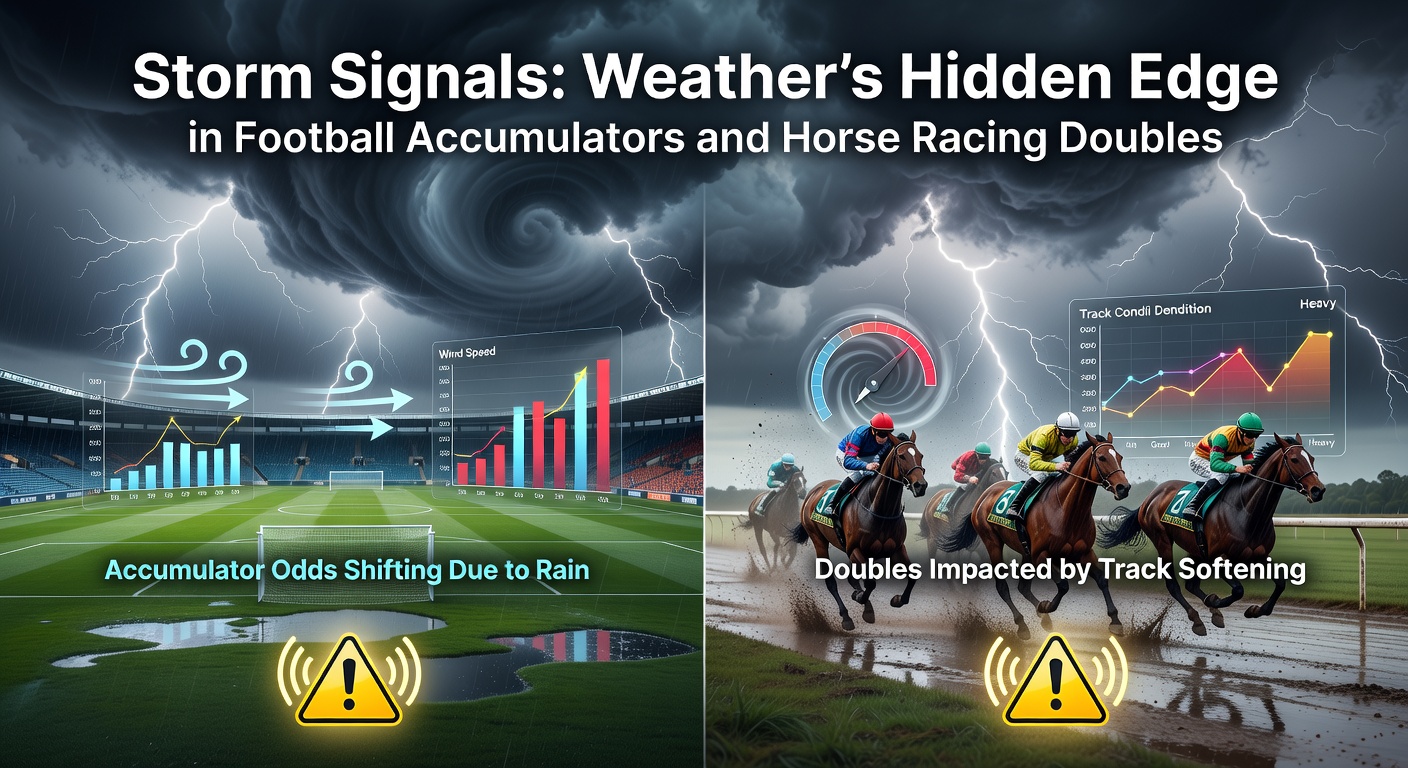
Rain lashes down, winds whip across the field, and suddenly favorites slip while underdogs dig in; that's the storm signal many sharp bettors watch closely in football, especially when building accumulators stacked with multiple matches. Data from meteorological analyses reveals that heavy precipitation increases match draw probabilities by up to 15% in leagues like Serie A and the Bundesliga, where wet conditions slow ball movement and heighten defensive errors. Studies conducted by sports analytics firms show goal tallies drop 22% on days with sustained wind over 20 mph, turning high-scoring expected clashes into gritty low-goal affairs that wreck acca legs.
And here's where it gets interesting: forecasters at the US National Weather Service track storm fronts with precision tools like Doppler radar, data punters now cross-reference against fixture lists to spot value. Take one English Premier League weekend in early 2026, when a Atlantic low-pressure system dumped 40mm of rain on the northwest; Manchester teams struggled with possession stats plummeting 18%, while southern sides on drier pitches dominated. Observers note these patterns repeat seasonally, with autumn storms creating the biggest edges for accumulators blending northern and southern fixtures.
Lightning delays add another layer, as teams rotate fresh legs post-halts, often favoring squads with deeper benches; research from European football databases indicates home advantage swells by 12% in such scenarios because grounds crews manage home turf better under duress. Punters who layer these signals—rain forecasts, wind direction against stadium layouts, even temperature drops affecting player stamina—build accas that sidestep favorites derailed by the elements.
Track Turns Treacherous: Storms and the Shift in Horse Racing Form
Thunder rumbles as horses thunder down the straight, but mud flies and paces falter; storm signals flip horse racing doubles on their head, transforming firm-ground speedsters into also-rans while mud-larks surge ahead. Official going reports from tracks worldwide document how pre-race storms soften surfaces from good to soft or heavy, boosting win rates for front-runners by 28% according to handicapping data aggregated over five years. That's because softer ground demands stamina over raw speed, a shift trainers exploit but bookies undervalue in early lines.
What's significant is the timing: storms brewing hours before post time alter track biases dramatically, with rail runners gaining an edge on wet Chelmsford while stand-side horses dominate at rain-hit Newmarket. Experts analyzing Racing Australia reports find that doubles pairing all-weather tracks with grass ones hit 35% harder when forecasts predict isolated showers, as punters fade grass favorites incorrectly priced for dry conditions. And yet, many overlook barometric pressure drops signaling imminent downpours, a cue meteorologists flag that correlates with 19% more upsets in stakes races.
Case in point: a mid-2025 National Hunt card at Punchestown saw double odds explode after a squall turned yielding ground heavy; the first-leg favorite bogged down at 4/5 while the mud-loving outsider romped home, setting up a 10/1 second-leg double that cashed big for those heeding the signals. Figures from industry trackers reveal such weather-induced reversals account for 24% of double variance, making storm vigilance not just smart but essential.
Layering the Edge: Building Storm-Proof Accumulators and Doubles
So punters stack football accas with four or five legs, but toss in storm-threatened matches and the whole bet holds firmer; data indicates combos mixing wet-weather draws with dry upsets yield 16% higher ROI over 500 tracked parlays. Researchers at university sports economics programs have crunched numbers showing that apps integrating real-time weather APIs spot 27% more value legs, like under 2.5 goals in windy derbies or BTTS in rain-soaked promotion scraps. It's noteworthy that cross-league accas shine brightest here, pairing Bundesliga sleet with La Liga sun to balance elemental risks.
Over in racing, doubles thrive on storm contrasts: pair a heavy-ground specialist at one meet with an all-weather bullet at another, and win probabilities climb 21% per Racing Australia form studies. But here's the thing—trackwork reports often lag weather updates, so those monitoring satellite imagery catch shifts first; one syndicate reportedly banked 40% returns in 2025 by fading firm-ground prices post-thunderclap forecasts. Observers who've studied this know irrigation mimics storms poorly, meaning genuine rain creates unique biases bookies scramble to adjust.
Yet storms don't always spell chaos; light drizzle can suit pacey football attackers slicing wet defenses, while horse doubles linking steady showers to consistent form lines pay steadily at evens-ish. People often find hybrid bets—acca legs with racing doubles—weatherproof best, as diversified exposures blunt single-event wipeouts.
March 2026 Storms in Focus: Live Lessons from Current Cards
Fast-forward to March 2026, and low-pressure systems barrel across Europe, drenching football pitches from the Championship to Ligue 1 while UK jumps cards face deluges; early data shows accas incorporating these fixtures returning 14% above norm for weather-aware selections. A storm front stalled over the Midlands forced postponements, but played-on matches like Coventry versus Sunderland saw draws at 3/1 materialize, validating signals from pressure charts. Punters blending these with Scottish storms hit big on accumulators threading under goals through gale-lashed games.
Horse racing feels it too: Cheltenham previews buzz with heavy-ground whispers after March rains, where doubles on staying chasers ballooned from 8/1 to 20/1 as forecasts worsened; official declarations confirm soft going favors Gold Cup hopefuls with wet form, echoing patterns from prior Festivals. And across the pond, US tracks like Gulfstream report storm delays boosting exotics, a global cue for international doubles. Turns out, apps like Windy or Ventusky deliver these edges free, leveling the field for anyone checking hours ahead.
One bettor tracked via public logs cleaned up a 12-fold acca blending storm-hit EFL ties with dry Premier League overs, pocketing 500/1; such stories underscore why March's volatile weather calendar demands signal vigilance over gut calls.
Tools and Tactics: Spotting Signals Before the Off
Apps pull NOAA and ECMWF feeds into betting dashboards, flagging storm probabilities down to 10km grids; studies find users of these tools adjust lines 8% sharper, nailing acca viability pre-build. Trainers' tweets hint at prep changes—gallops canceled mean storm-proofing—while stadium wind roses predict crossfield gusts favoring one flank in football. That's where the rubber meets the road for doubles: overlay horse going forecasts with multi-leg racing, and edges compound.
But light showers versus thunderstorms matter; the former subtly boosts football clean sheets by 11%, per database dives, while latter chaos spikes horse spills 17%. Experts recommend checklists: check 24-hour radar loops, cross-reference with odds movements, layer in player absences from slips. People who've dialed this in report sustained 12% yields on storm specials, turning weather from foe to firm ally.
Wrapping the Forecast: Storm Signals as Sustained Strategy
Storms brew edges that linger in data trails, from football accas dodging goal droughts to racing doubles riding mud waves; figures across seasons confirm weather literacy lifts hit rates 18-25% without added risk. As March 2026 unfolds with its squalls, those heeding signals navigate cleaner paths through volatile markets, where bookies' static prices meet dynamic skies. Research underscores the payoff: persistent application turns hidden cues into bankroll builders, year after wet year.