Following Line Movements for Value in Pre-Match Football and Horse Race Adjustments
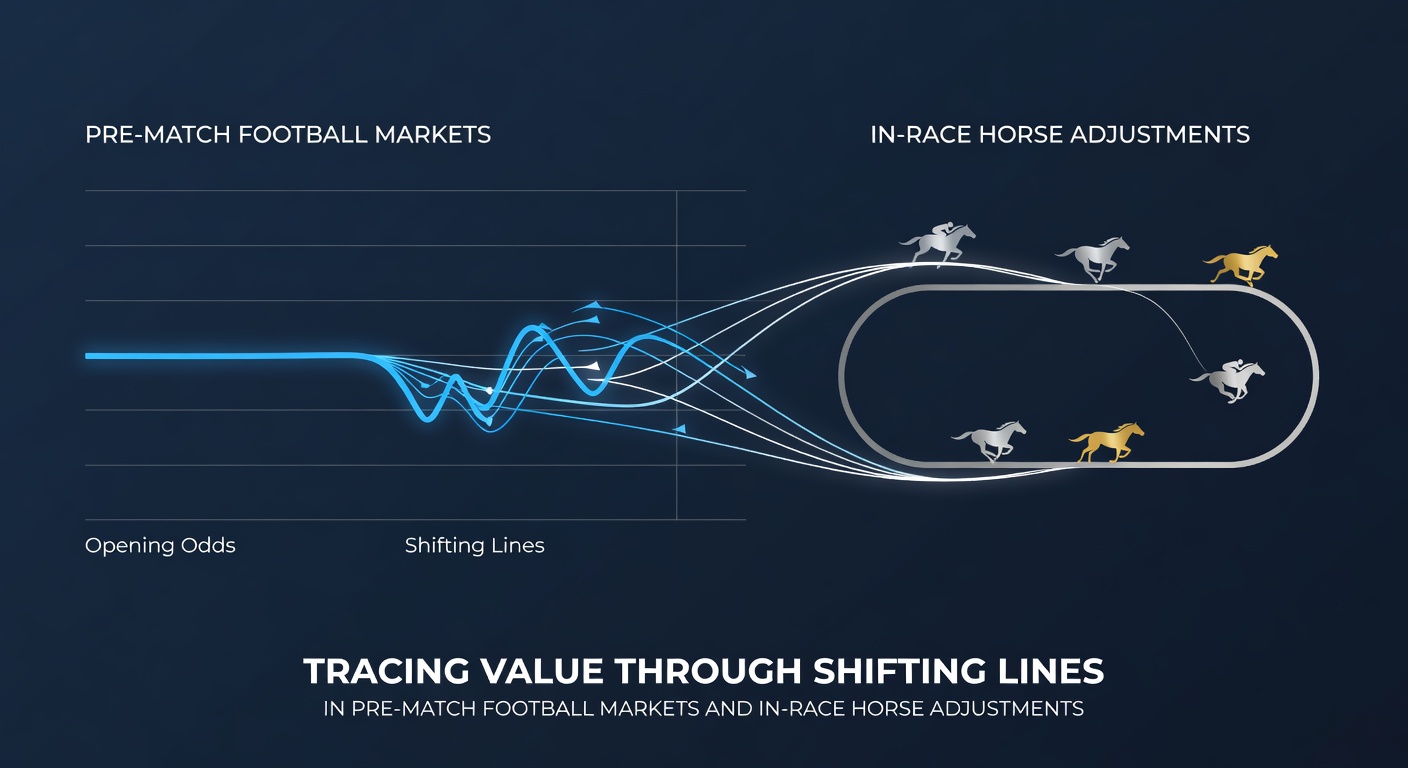
Market participants track value by monitoring how odds evolve in football fixtures before kickoff and how they respond to unfolding events once a horse race begins, and data from multiple jurisdictions shows these movements often signal where informed money has entered the market. Observers note that pre-match football lines typically adjust when team news emerges or when betting volumes concentrate on one side, while in-race horse adjustments reflect pace changes, track conditions, and real-time assessments by layers who manage risk across global pools.
Pre-Match Football Line Dynamics
Football markets open weeks in advance for major leagues, and early prices reflect historical data plus expected team strengths, yet subsequent shifts occur as injury reports, weather forecasts, and squad announcements filter through to bookmakers and exchanges alike. Those who follow these movements often compare opening and closing prices across multiple operators because consistent drift in one direction frequently indicates where professional syndicates have placed substantial stakes, and researchers from European sports analytics groups have documented how such patterns repeat across domestic cup ties and international qualifiers during the 2025-26 season.
Volume spikes near kickoff also influence where the final line settles, particularly when public money piles onto favorites while sharp action counters on the underdog or draw, and this creates opportunities for those monitoring multiple books simultaneously. Data compiled ahead of May 2026 fixtures shows average line movements of 0.25 to 0.5 goals in the Asian handicap market when late team news breaks, with larger adjustments appearing in lower-profile leagues where liquidity remains thinner.
In-Race Horse Racing Adjustments
Once the stalls open, horse racing markets move rapidly as layers react to the actual pace set by front-runners and the positioning of contenders, and these in-race adjustments differ markedly from pre-race odds because they incorporate live visual data rather than static form figures. Layers tighten or lengthen prices on horses that travel well in behind or those that struggle to hold position, and studies from Australian racing research centers indicate that early pace pressure often leads to measurable compression in the odds of closers who benefit from a genuine gallop.
Traders managing global pools monitor sectional timing feeds and camera angles to decide when to hedge or extend liabilities, and this process generates frequent micro-adjustments that reflect updated probabilities rather than sentiment alone. Observers tracking major festivals note that races run at unusual tempos produce the widest post-start price swings, sometimes exceeding 30 percent movement in win odds within the first furlong.
Connecting the Two Markets Through Data Patterns
Analysts who examine both codes find parallels in how early information shapes later value, and one recent industry report from a North American gaming research body highlights that bettors who combine pre-match football line history with live horse racing timing data achieve more consistent identification of mispriced outcomes across sessions. The approach requires watching for correlated movements, such as when football markets react to personnel changes in a manner similar to how horse markets respond to pace shifts, and this cross-sport perspective appears more frequently among professional trading desks that operate across continents.
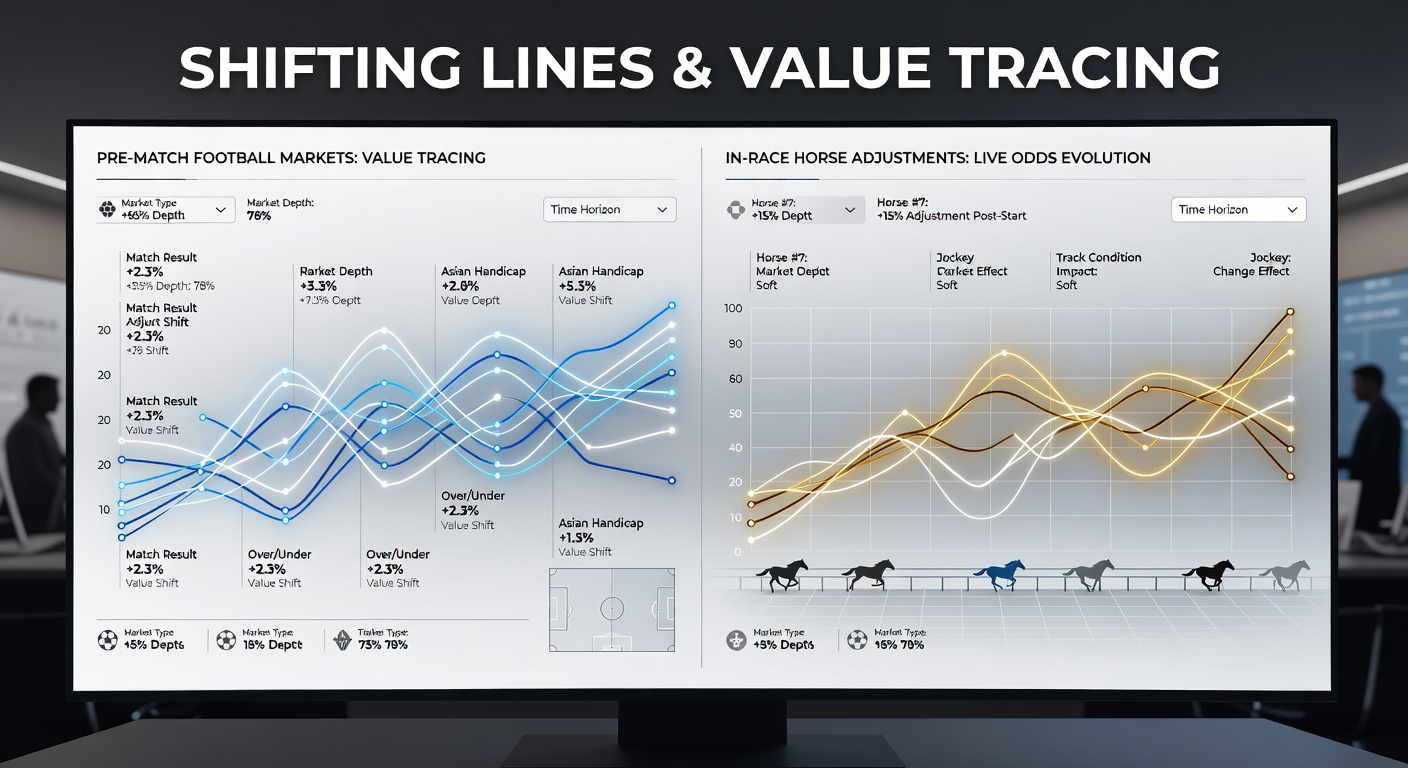
Technology platforms now aggregate these feeds into single dashboards, allowing users to overlay football line histories with real-time horse data streams, and this integration has expanded notably in markets outside traditional European centers. Figures released by Canadian provincial regulators in early 2026 show increased participation in multi-sport trading accounts that monitor both pre-match and in-running movements, with average session lengths extending as tools improve.
Practical Tracking Methods
Participants often begin by establishing baseline prices across several platforms before monitoring deviation thresholds that trigger alerts, and they then cross-reference those alerts with external factors such as team sheets or sectional data feeds. This method reduces reliance on any single source while highlighting where value may still exist after initial line shifts settle, and case studies from Asian betting exchanges demonstrate that repeated small drifts in the same direction frequently precede larger movements once public participation increases.
Those managing larger positions also account for liquidity differences, noting that thinner markets amplify the impact of each adjustment and create wider entry windows for value seekers. Evidence from university-led sports economics papers suggests that systematic tracking of these patterns yields measurable edges when applied consistently across dozens of events rather than isolated fixtures.
Conclusion
Market participants continue to refine techniques for following value through shifting lines in pre-match football and in-race horse adjustments, and the integration of timing data with historical movement records offers a structured way to interpret where probabilities have changed. As platforms evolve and data sources multiply, the focus remains on objective measurement of how early information translates into final pricing across both codes.