
Cross-Sport Indicator Fusion: Soccer Rosters, Tennis Momentum Breaks, and Equine Gate Starts in Layered Accumulator Design
Analysts track early indicators across soccer, tennis, and horse racing because these signals often converge to guide the construction of layered multi-bet structures that combine selections from different sports. Data collected from team sheets released ninety minutes before kickoff in soccer frequently reveals tactical adjustments that correlate with subsequent movements in related tennis and racing markets, allowing bettors to adjust accumulator components before odds shift further.
Soccer Lineup Signals and Their Reach
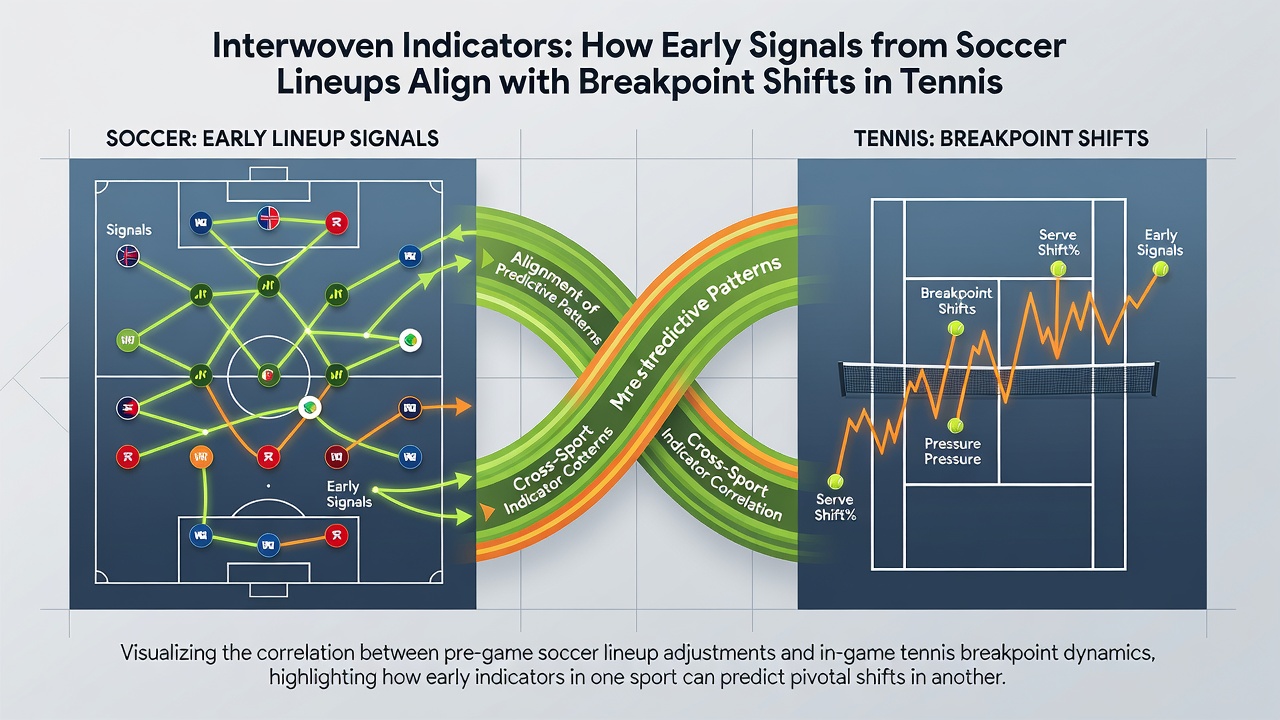
Lineup announcements in major European leagues supply the first concrete data points each matchday, and researchers at sports analytics centers have documented how absences of key midfielders alter expected goal totals. Those adjustments appear in betting exchanges within minutes, yet the same data sometimes aligns with tennis fixtures scheduled on the same afternoon when a player faces a serve-heavy opponent. Observers note that sharp bettors monitor these overlaps to layer soccer selections into accumulators that already contain tennis legs, because the initial soccer information can influence perceived value in the later tennis markets.
Tennis Breakpoint Patterns as Secondary Filters
Breakpoint conversion rates collected over rolling five-match windows provide measurable signals in tennis, and studies published by academic groups in North America indicate that sudden drops in break-point success often precede momentum reversals. When such shifts coincide with soccer lineup changes that favor defensive setups, the combined data encourages bettors to add or remove tennis legs from multi-bet structures rather than relying on isolated match analysis. Figures released by Canadian provincial gaming authorities show increased volume in cross-sport accumulators during weeks when both soccer and tennis calendars feature major events.
Horse Racing Gate Behaviors and Timing Overlaps
Gate speed figures recorded at the start of races on turf and synthetic surfaces supply another layer of information, particularly when meetings occur on the same day as prominent soccer fixtures. Trainers and jockeys adjust tactics based on barrier positions, and these decisions translate into revised place probabilities that sometimes mirror movements already observed in soccer and tennis odds. Industry reports from the Australian Racing Board highlight how gate data collected in the final twenty minutes before a race can be cross-referenced with earlier soccer and tennis indicators to refine the final legs of an accumulator.
Those who construct multi-bet structures therefore examine sequences rather than single events. A soccer team missing its primary creator may lower expected goals, which in turn prompts a review of tennis breakpoint data scheduled two hours later, while gate statistics from an evening racing card provide the closing selection. The process relies on temporal alignment because markets update continuously and early signals lose value once public money enters.
Practical Construction of Layered Accumulators
Bettors begin with soccer lineups published in the morning, then scan tennis schedules for matches whose breakpoint histories match the implied tempo of the football games. Gate information from afternoon racing meetings supplies the final filter, because late scratches or track conditions can alter place probabilities after the other two sports have already contributed their data. According to research from the University of Melbourne’s sports performance laboratory, accumulators built on this sequential review process recorded higher completion rates during overlapping calendar periods in 2025 and early 2026.
July 2026 features simultaneous windows that include the conclusion of several European domestic seasons, a cluster of ATP events on European clay, and prominent flat racing festivals in both hemispheres. Observers at European betting exchanges report that volume in three-sport accumulators rises when these calendars converge, because the early soccer signals remain relevant for several hours while tennis and racing data arrive in staggered intervals. The staggered arrival allows bettors to adjust stakes on remaining legs before each market locks.
Data Sources and Monitoring Tools
Official team sheets released through league websites, real-time breakpoint statistics published by tournament organizers, and gate timing data distributed by racing authorities form the core inputs. A 2024 study conducted by researchers at the University of Sydney demonstrated measurable correlations between soccer defensive adjustments and subsequent tennis service-break percentages on the same calendar day. Separate work by Canadian analysts confirmed that gate speed deviations above established track averages often coincide with revised probabilities in unrelated evening soccer markets when the events share a betting platform.
Platforms that aggregate these feeds allow users to set alerts based on threshold values, such as a fifteen-percent deviation in expected goals following a lineup change or a sudden change in first-serve win rates. These alerts trigger reviews of open accumulator positions rather than new standalone bets, preserving the layered structure while incorporating the latest signals.
Conclusion
Early signals from soccer lineups, tennis breakpoint records, and horse racing gate data supply independent yet temporally aligned inputs that experienced bettors combine when shaping multi-sport accumulators. The process depends on continuous monitoring of published statistics and market movements rather than isolated analysis of any single sport, and the pattern of staggered data releases during overlapping calendars continues to influence accumulator construction in 2026.