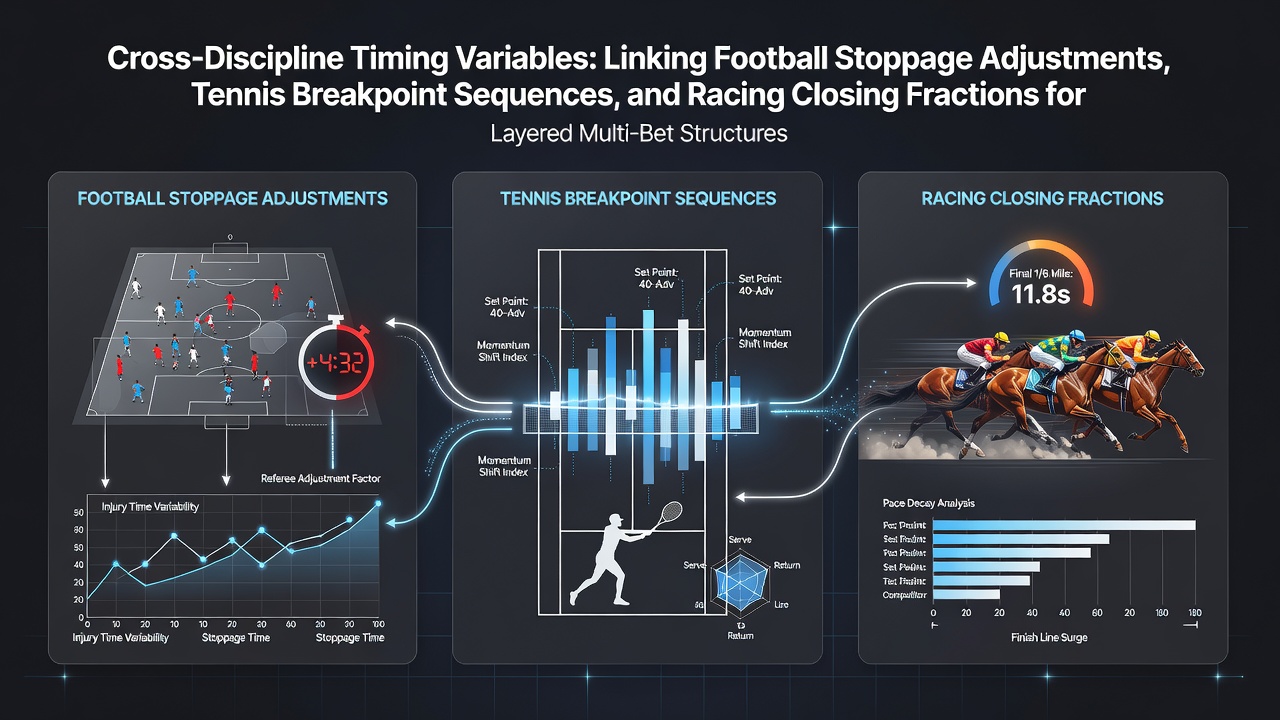
Cross-Discipline Timing Variables: Linking Football Stoppage Adjustments, Tennis Breakpoint Sequences, and Racing Closing Fractions for Layered Multi-Bet Structures
Timing variables shape betting outcomes across multiple sports when analysts connect stoppage adjustments in football, breakpoint sequences in tennis, and closing fractions in horse racing. Observers note that these elements create layered structures for multi-bet strategies, where adjustments in one discipline inform expectations in others. Data from industry reports indicate that bettors who track these patterns across events achieve more consistent positioning in accumulator formats.
Football Stoppage Adjustments and Their Role in Bet Layering
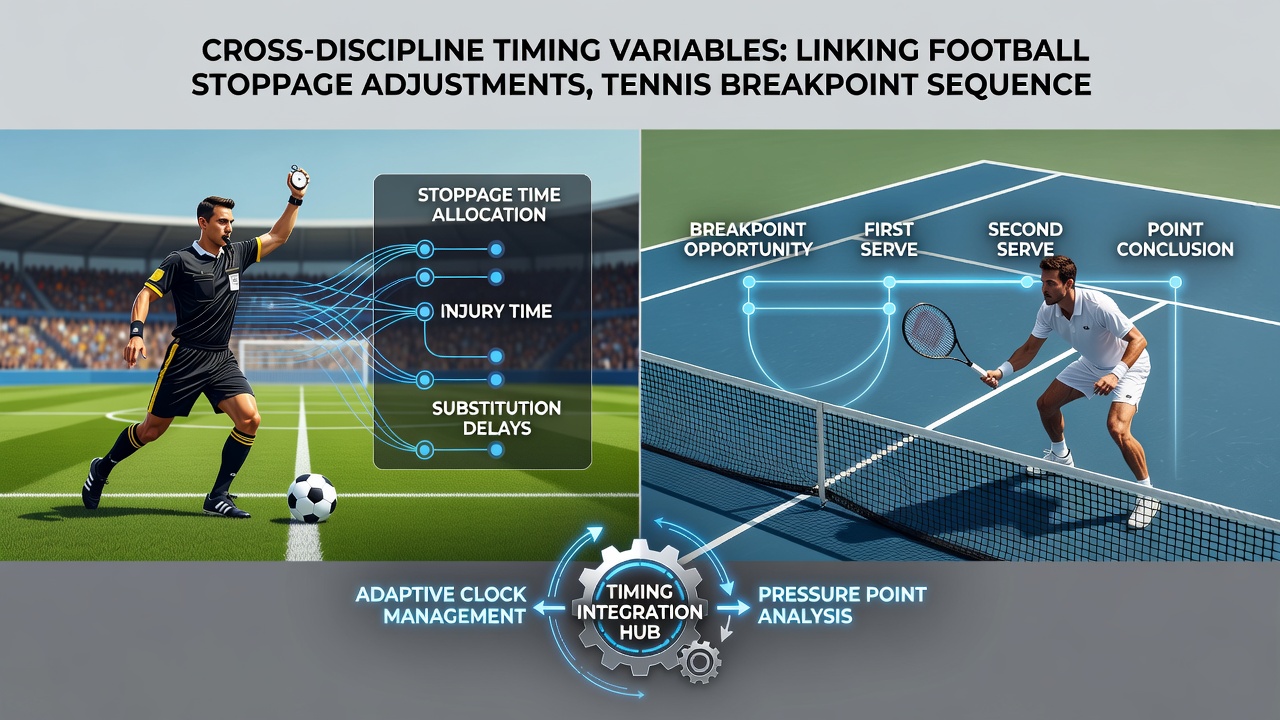
Football matches feature stoppage time that varies by league and competition, with officials adding minutes based on substitutions, injuries, and other delays. Studies from sports analytics groups show that teams trailing in the final stages convert stoppage opportunities at rates 12 to 18 percent higher than average game periods. Those who monitor historical stoppage data for specific referees and venues identify windows where late goals become more probable. Layered multi-bet structures incorporate these adjustments by pairing football selections with timing indicators from other sports, allowing positions to remain active while events unfold in sequence.
Tennis Breakpoint Sequences and Momentum Tracking
Tennis breakpoint sequences reveal patterns in service games and return performance that influence set outcomes. Research published by university sports science departments demonstrates that players who convert breakpoints at elevated rates during extended rallies maintain higher win probabilities in subsequent games. Figures from major tournament databases reveal that sequences of three or more breakpoints in a single service game correlate with shifts in match momentum. Bettors integrate these sequences into multi-bet frameworks by aligning tennis timing cues with football stoppage data, creating structures where one event's resolution supports decisions in concurrent or upcoming races.
Racing Closing Fractions and Final Stage Analysis
Horse racing closing fractions measure the time a runner covers in the final segments of a race, often expressed in furlongs or seconds per distance. Records maintained by racing authorities indicate that horses posting closing fractions under 12 seconds per furlong in prior outings improve their placement odds in similar distance events. Analysts examine these fractions alongside pace profiles to project late surges. When connected to football and tennis timing variables, closing fractions add a final-layer component to multi-bet structures, where early indicators from other sports narrow selections before races reach their decisive stages.
Building Layered Multi-Bet Structures Across Disciplines
Layered multi-bet structures combine selections from football, tennis, and horse racing through shared timing variables rather than isolated events. According to reports issued by the American Gaming Association, integrated timing models appear in professional betting operations that manage cross-sport portfolios. One documented approach sequences football stoppage data first to establish baseline probabilities, followed by tennis breakpoint monitoring to refine live adjustments, and concludes with racing closing fractions to finalize positions. This progression allows structures to adapt as each component resolves while maintaining exposure across the full sequence.
Examples from June 2026 tournament schedules illustrate how these connections operate in practice. Events overlapping in calendar windows, such as European football leagues, Grand Slam tennis, and major racing festivals, provide data sets where timing alignments become measurable. Those tracking referee stoppage trends in football matches alongside server performance sequences in tennis identify correlated windows that precede strong closing fractions in featured races. Industry organizations like the Australian Racing Board have published summaries showing how fractional data improves selection accuracy when cross-referenced with non-racing timing metrics.
Data Integration and Platform Developments
Betting platforms increasingly incorporate timing variable feeds that display stoppage projections, breakpoint histories, and fractional trends in unified interfaces. Evidence from technology providers at international conferences indicates that real-time updates on these metrics support more precise accumulator construction. External data sources, including academic studies on performance analytics, supply the underlying models used to weight each variable within layered structures. Observers note that June 2026 schedules feature concentrated clusters of events where such integrations yield measurable advantages for those maintaining disciplined selection processes.
Conclusion
Cross-discipline timing variables supply a framework for linking football stoppage adjustments, tennis breakpoint sequences, and racing closing fractions into coherent multi-bet structures. The connections rely on documented patterns from league records, tournament databases, and racing authority reports rather than isolated observations. As events continue through 2026, the same timing elements remain available for analysts seeking structured approaches that span multiple sports.