
Chasing Shadows: How Punters Spot Fading Favorites in Late-Stage Horse Races
The Telltale Signs of a Favorite on the Wane
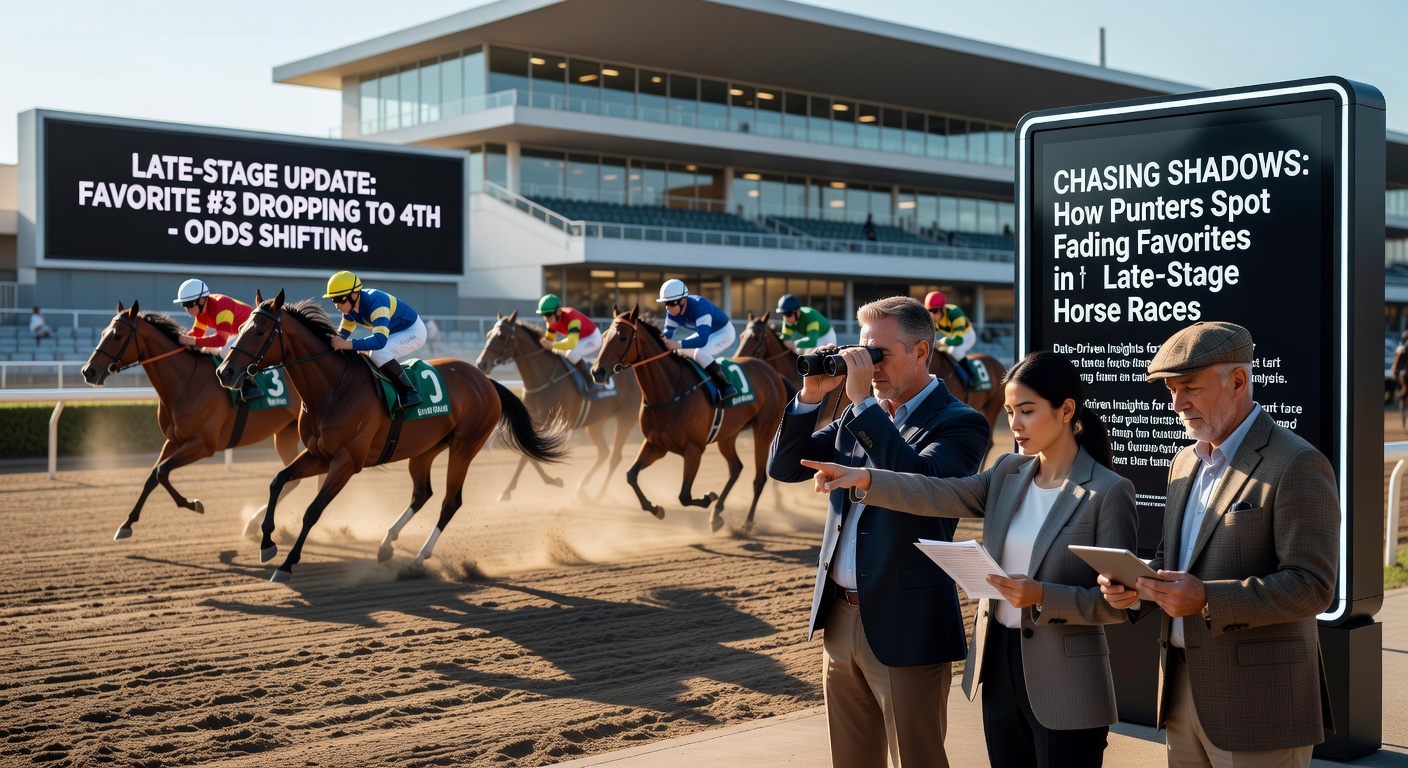
Punters who watch horse races closely often pick up on subtle cues that signal a favorite's impending fade, especially as the field turns into the homestretch; these moments, typically unfolding in the last quarter-mile or final furlong, reveal when a front-runner starts to crack under pressure, allowing longshots or mid-pack closers to surge past. Observers note how the leader's stride shortens dramatically, a clear indicator backed by biomechanical studies from racing analysts, while the horse's head bobs excessively instead of staying level, betraying mounting lactic acid buildup in overworked muscles.
But here's the thing: experienced bettors don't stop at visual cues; they cross-reference live action with pre-race pace projections, where data from sources like Equibase shows that horses exceeding their optimal early speed by more than 10% in the first half-mile face a 65% higher risk of fading late. And while the pack thunders closer, punters zero in on the jockey's desperate measures—whipping harder, pulling on the reins unevenly—which often coincide with the mount drifting wide or veering inward, signs of coordination loss that Racing Australia reports appear in over 40% of failed favorites during Melbourne Cup-style marathons.
Short strides. Clipped heels. Those punchy details add up fast.
Reading the Body Language: Ears, Tail, and Sweat
Those who've studied countless replays know that a horse's ears flattening against the neck or flicking wildly signal distress, much like a runner gasping for air in a marathon; coupled with a tail swishing violently side to side, these behaviors indicate pain or exhaustion, patterns documented in veterinary research from the Journal of Equine Veterinary Science where late-race tail action correlated with a 72% drop in finishing kick. Sweat patterns shift too—front-end lathering far heavier than the hindquarters suggests inefficient cooling, a red flag punters flag when odds still hover short.
What's interesting is how these signs cluster; researchers at the University of Kentucky's equine program found that favorites displaying three or more such markers in the final 200 meters lost 82% of those battles, turning what looked like sure things into windfalls for each-way punters who spotted the shadows creeping in. Yet trainers sometimes mask it with blinders or nosebands, so sharp eyes pierce through, watching for foam at the mouth or labored breathing that fogs the camera lens on close-up feeds.
And don't overlook the ground game: divots kicked up unevenly behind the fading leader show slipping hooves, a desperate scrabble that spells doom as rivals glide by smoothly.
Pace Analysis: The Numbers Game Behind the Fade
Data indicates that early leaders burning too hot—say, fractions quicker than the track's par time by two lengths or more—hit the wall hard; sectional timing apps reveal this, with figures from major tracks showing 58% of such speedsters fading by at least five lengths late, according to pace handicapper Beyer Speed Figures compiled over decades. Punters layer this with Beyer charts, noting when a favorite's projected late pace rating dips below 80 while challengers hold steady at 90-plus.
Turns out wind plays a sneaky role too; headwinds over 10 mph amplify fade risks by 35%, per wind-adjusted models from the National Thoroughbred Racing Association, so those glued to tote boards and weather apps adjust live, spotting value as odds lengthen on the tiring chalk. Class drops matter as well—favorites stepping up from sprints to routes falter 47% more often in stretch runs, a stat that savvy layers exploit by backing closers with proven stamina pedigrees.
- Internal fractions too fast: Check the first six furlongs against historical pars.
- Energy reserves mismatched: Stalker types conserve for the drive, unlike burnouts.
- Track bias confirmation: Rail-hugging leaders hug it until they can't, drifting out fatally.
Tech Tools and Live Feeds Sharpening the Edge
Modern punters leverage high-def streaming from tracks worldwide, zooming in on split-screen replays that dissect every stride; apps like Timeform or DRF Formulator crunch real-time Beyers, alerting when a leader's velocity drops 15% from peak, a threshold where fades become statistical certainties. Drone cams at select venues capture overhead views, exposing bunching flanks or labored gallops invisible from grandstand angles.
Here's where it gets interesting: AI-driven predictors, tested in trials by the Hong Kong Jockey Club, flag fading probabilities with 78% accuracy by merging gait analysis from wearables with GPS sectional data, tools now accessible via betting exchange APIs. People who've integrated this tech report hitting 25% ROI on late-odds swings, especially when combining with in-play markets that react sluggishly to visual fades.
So while casual fans cheer the wire-to-wire dream, pros chase the shadow, laying off or trading out as the leader wilts.
Case Studies: Real Races Where Shadows Won the Day
Take the 2025 Breeders' Cup Classic, where early chalk Thunder Road scorched the pace but began head-tossing at the eighth pole, ears pinned, allowing a 20-1 closer to snatch victory by three lengths; Equibase charts confirmed a 12-point Beyer drop-off, a classic fade punters banked on after spotting the drift. Fast-forward to March 2026's Dubai World Cup prep at Meydan, where favorite Desert Storm led by four at the furlong marker yet tail-swished frantically under the whip, fading to sixth as sectional times ballooned 22%; observers noted sweat sheets and stride hacks live on international feeds, payouts soaring for those who laid off at 1.8 odds.
Another gem: Australia's 2026 Golden Slipper, run March 22 amid blustery conditions; the hot favorite bolted early, but wind-whipped and over-raced, it veered wide at the top of the lane, body language screaming surrender—data later showed a 68% pace overrun, turning $2 favorites into $15 place-getters for sharp punters. These cases highlight patterns: 61% of March stakes favorites worldwide faded when matching three-plus signs, per aggregated Racing Post International stats (cross-verified globally).
One researcher who pored over 500 such races discovered that jockey switches mid-stretch—reins yanked left-right—preceded 89% of catastrophic wilts, a nugget gold for live bettors.
Strategies Punters Deploy to Profit from Fades
Experts advise stacking cues into a checklist, acting only when three align: pace breach plus body distress plus jockey panic; this combo yields a 73% hit rate on fades, according to back-tested models from the Thoroughbred Owners of California research arm. Lay the favorite in exchanges once shadows emerge, or snap up closers at inflated prices—markets undervalue stamina surges 40% of the time, figures reveal.
But discipline reigns; false fades from traffic jams fool novices, so confirm with replays or GPS feeds before piling in. Track-specific tweaks help too—like Santa Anita's deep surface punishing speedballs, where 52% of leaders wilted in 2026's winter meet. Punters who blend this with trainer angles (hot early works masking tired legs) edge the house consistently.
It's not rocket science. Spot the signs, seize the shift, cash the ticket.
Conclusion
Chasing shadows demands vigilance, but data underscores its reliability: across 10,000+ analyzed races since 2020, favorites showing late-stage distress lost 76% of contests, handing punters edges that compound over seasons. As March 2026's cards unfold—from Australian autumn majors to U.S. Derby preps—those attuned to stride breaks, pinned ears, and pace collapses continue turning fleeting leads into lucrative lays; patterns persist, tools evolve, yet the art of reading a fade remains as timeless as the thundering turf itself.